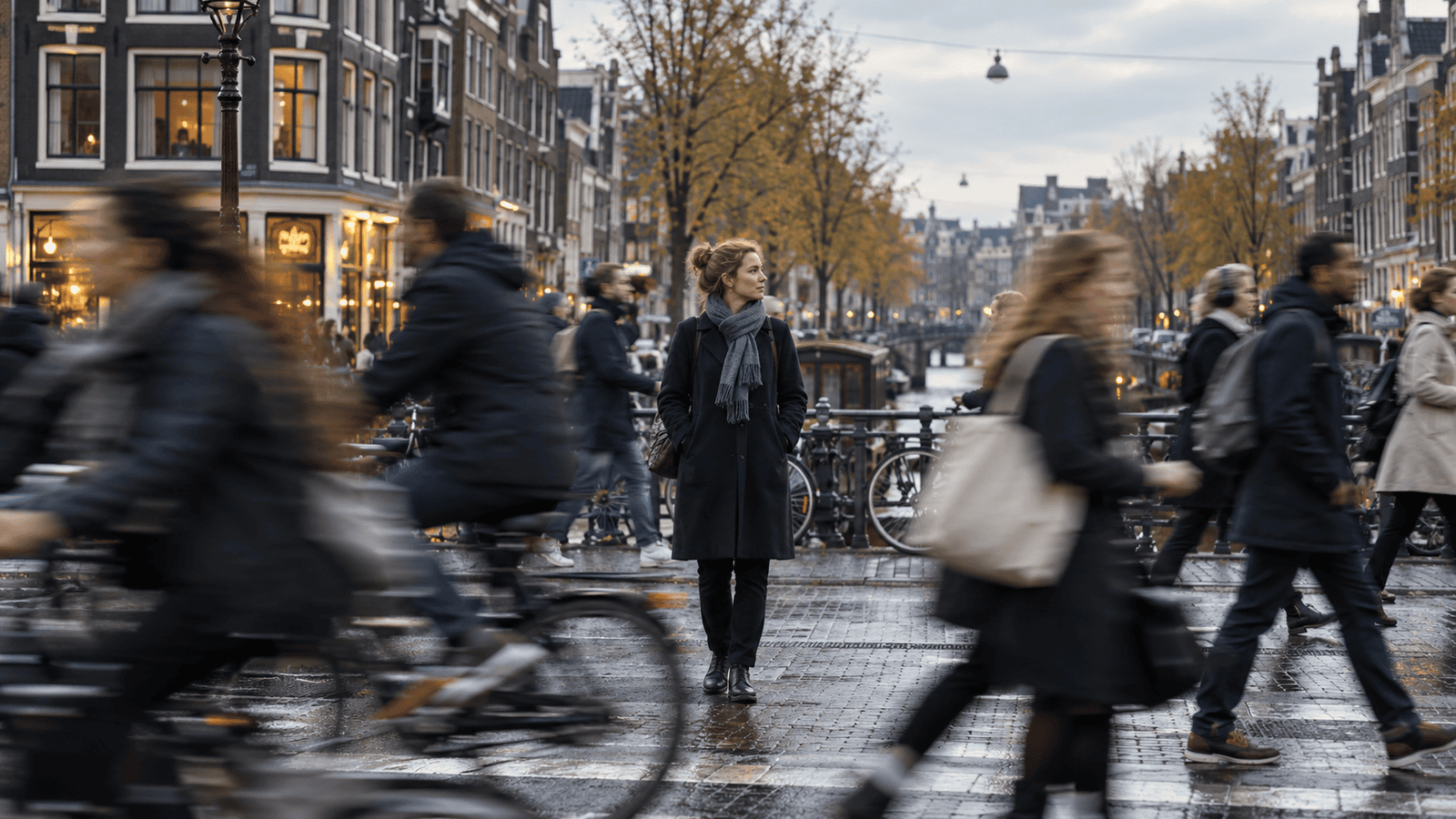
Amsterdam Moves Fast. Where Do We Go to Slow Down?

The modern city is built for movement. We cycle to work, move between appointments, answer messages on the way and fill our evenings with plans. Speed, availability and constant participation have become part of everyday life.

The human body still needs rhythm: activity followed by rest, connection followed by solitude, attention followed by recovery. As urban life accelerates, we need places that make space for that counterbalance.

Where can we go when we want to breathe, reset and come home to ourselves?

Nervous System Regulation in a City That Never Stops

Nervous system regulation is our capacity to move flexibly between activation and rest. We need energy and focus to meet a deadline, cross a busy road or respond to an unexpected situation. We also need the ability to settle once that moment has passed.

Regulation does not mean remaining calm throughout the day. It allows us to experience an emotion, respond to what is happening and gradually return to balance.

When this flexibility becomes strained, we may feel restless, tired, distracted or overwhelmed. The body can remain alert long after the original demand has disappeared. Rest may then feel less accessible, even when we finally have time for it.

Understanding the Autonomic Nervous System

The autonomic nervous system governs processes that happen largely outside conscious control, including heart rate, digestion, breathing and aspects of blood pressure. Its sympathetic and parasympathetic divisions contribute to mobilisation and restoration.

Mobilisation prepares us to act. Restorative states create space for digestion, repair and renewed energy. Both belong to healthy functioning.

Difficulty can arise when urgency starts to feel like a permanent setting. Shallow breathing, raised shoulders, racing thoughts or disrupted sleep may become familiar. We adapt to the pace and stop noticing how much tension we carry.

A single technique cannot direct every automatic process. Repeated moments of comfort, grounding and perceived safety may help the body find its way back towards greater ease.

Feeling Stressed or Overstimulated?

Urban life asks us to process a remarkable amount of information. Sound, light, traffic, work, screens and social interaction continually compete for attention. Opportunities for natural decompression can disappear between obligations.

Overstimulation may feel like mental fog, irritability, exhaustion or an inability to relax. Some people withdraw. Others remain busy because stopping brings them closer to the tiredness underneath. An anxious feeling can continue even when there is no immediate problem to solve.

The first step is awareness. What sensations are present? How are you breathing? Which situations create overwhelm? What allows your body and mind to soften?

These questions invite curiosity rather than judgement. They can reveal the difference between what our schedule demands and what our wellbeing needs.

The Muscle of Self-Compassion

Self-compassion changes the way we meet pressure. Instead of treating exhaustion as a personal weakness, we can recognise the intensity of what we are carrying.

A more gentle inner response creates room for choice. We might change our posture, take a quiet walk, cancel an unnecessary commitment or ask for support. Small decisions can interrupt the habit of continually pushing through.

Self-compassion is a muscle we strengthen through practice. It helps us reconnect with the signals already present and respond before exhaustion takes over. This shift in mindset can create greater clarity and resilience.

What Are the Benefits of Regulation Treatments?

There is no universal treatment for regulation. Different people benefit from different combinations of professional care, movement, rest and sensory practices.

Across the wider holistic landscape, people explore meditation, yoga, acupuncture, breath-led exercises and bodywork. Some choose deep tissue massage when physical tightness is prominent; massage helps certain clients experience temporary relief and warmth. Others seek a guided healing space in which they can pause and feel supported.

Potential benefits of suitable practices may include:

    • Greater recognition of physical and emotional signals

    • More capacity to pause before reacting

    • A sense of balance during demanding periods

    • Opportunities to release stress and soften tension

    • Deeper rest and deep relaxation

    • An increased ability to connect with personal needs

    • A gradual return to flow, presence and energy

An appropriate intake can help clarify what kind of care fits an individual client. Significant anxiety, persistent physical symptoms or the effects of trauma deserve qualified professional attention.

Research suggests that meditation and mindfulness may provide some benefit for stress-related complaints. (NCCIH)

What Is Somatic Therapy?

The word somatic means relating to the body. Somatic therapy brings physical sensations and embodied responses into a therapeutic process. A practitioner may invite someone to notice breath, temperature, pressure, boundaries or changes in tension.

This approach can combine conversation with physical observation and movement. Integration takes place at a manageable pace, with consent and professional guidance.

A wellness session has a different purpose. It can offer rest, sensory comfort and an opportunity to reconnect. Understanding the scope of each experience makes it easier to choose appropriate care.

What Does a Reset Really Mean?

A reset suggests a return to equilibrium. In daily life, this usually develops through repeated experiences of rest, connection and perceived safety.

The body learns through experience. A quieter environment, a fuller breath, resonant sound or supportive movement may soothe activation. Over time, these moments can enhance our ability to regulate the nervous system and respond with greater flexibility.

The aim is a sustainable relationship between effort and renewal. This creates space for recovery while preserving ambition, engagement and vitality.

Why the Modern City Needs Places for Stillness

Cities contain countless spaces designed for action, consumption and social exchange. Dedicated places for inward attention remain relatively rare.

From Amsterdam West to East, a growing conscious community is exploring ways to create a healthier urban rhythm. People are seeking restorative environments for sound, breathing, movement and stillness.


These spaces give rest a location. They transform a good intention into a real appointment. Lighting, sound, warmth and the presence of a guide can communicate that, for the next hour, nothing else is required.

This is where the future of city wellness may be heading: towards places that help us remain connected to ourselves while participating fully in urban life.

Energy Benders: A New Restorative Offering

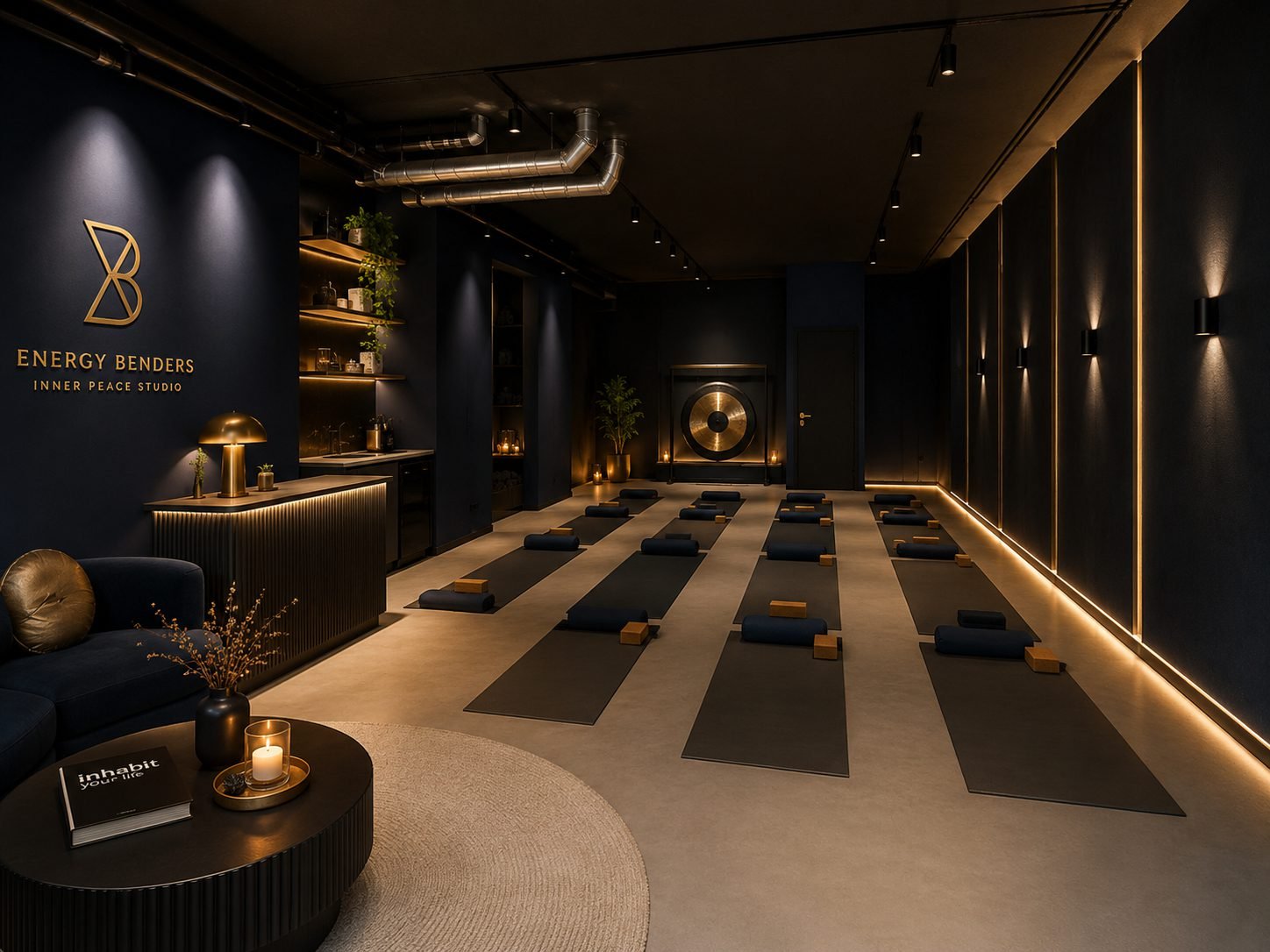
Energy Benders will soon open its doors on Oostenburg. The Inner Peace Studio is being created for sound therapy, breathwork and calming practices that invite people to pause, listen and return to themselves.

The programme will include Gong Bath, Crystal Sound Bath, Nervous System Reset, Breathwork and Yin & Sound. Each session offers a distinct route towards presence through sound, breathing, stillness or supported movement.

The studio begins with a simple conviction: our wellbeing deserves our attention. Giving yourself an hour can change the quality of everything that follows.

Ready to Come Home to Yourself?

The future of city life may depend partly on our ability to create a counterbalance to speed. We need places where attention turns inward, pressure softens and the soul is given time to catch up.

Slowing down allows us to inhabit the city with greater presence.