
What Is a Sound Bath? A Complete Guide to Sound Healing in Amsterdam

A room becomes quiet. You lie down comfortably on a mat, close your eyes and listen as the first tone of a singing bowl moves through the space. Soon, layers of sound begin to build around you: crystal bowls, a gong and other resonant instruments creating an immersive sound experience.

This is a sound bath: a meditative practice in which you are surrounded by sound and vibration while the body is at rest.

At Energy Benders, sound healing sessions are designed as an hour away from the constant input of everyday life. Your attention moves from the outside world towards sound, sensation and what is happening within.

This guide explains what happens during a sound bath, how sound healing works as a practice and what to expect when attending your first experience.
What is a sound bath?

A sound bath is a restorative listening experience using instruments chosen for their tone, resonance and vibration. Unlike a concert, the intention is not to follow a melody. You simply lie down and allow your attention to rest with the changing sounds.

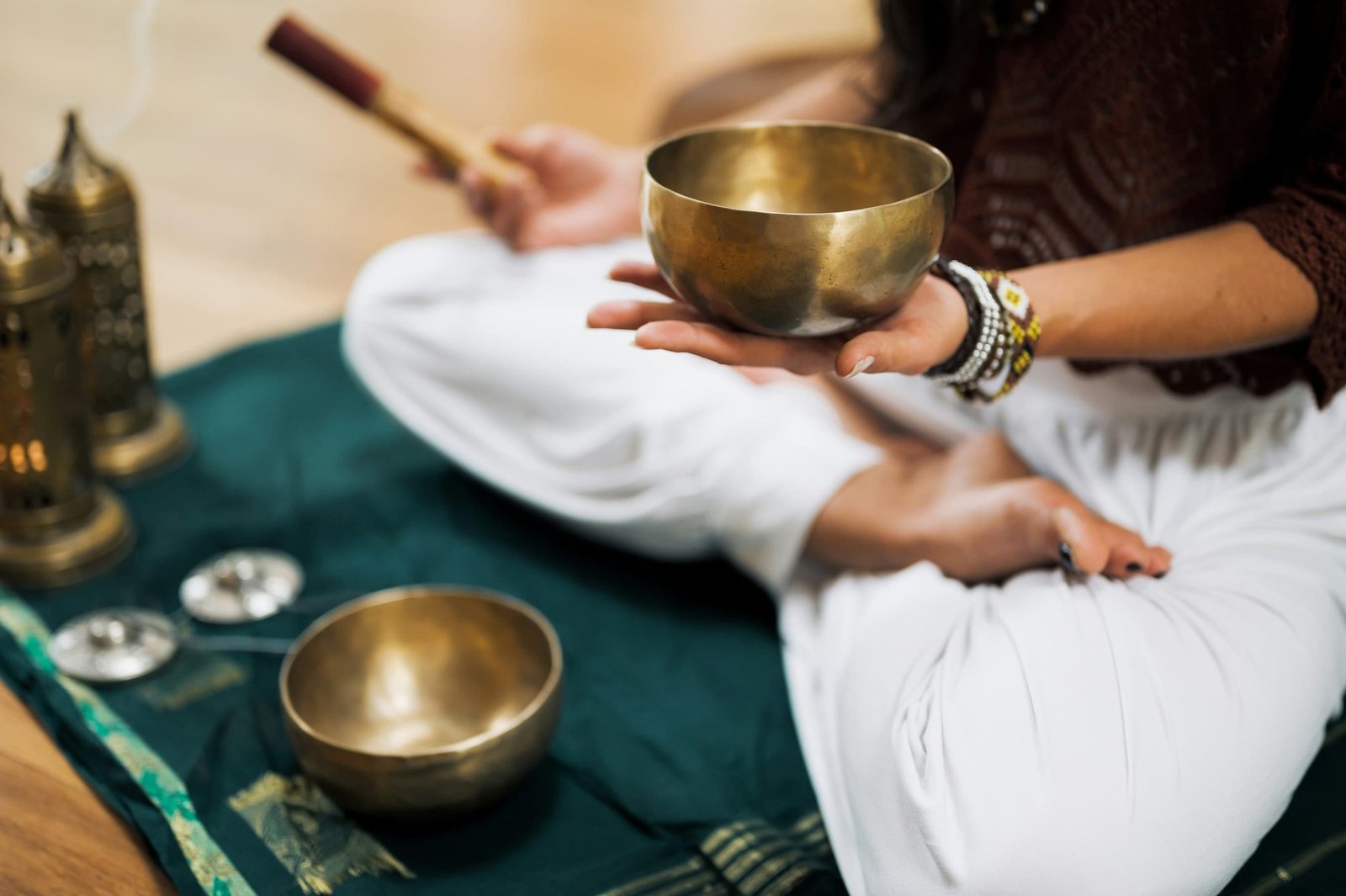
A practitioner may work with crystal singing bowls, Tibetan singing bowls, a gong, chimes, tuning forks or other instruments. Some sessions also incorporate vocal tones, guided meditation or silence. You may encounter flutes and other instruments in more elaborate forms of sound therapy.

The result is an immersive sound environment. Individual tones appear, expand, overlap and disappear. The sounds of singing bowls may be clear and delicate, while a large gong can create a much more complex wash of sound and vibration. For many people, listening this way becomes naturally meditative.

What happens during a sound bath session?

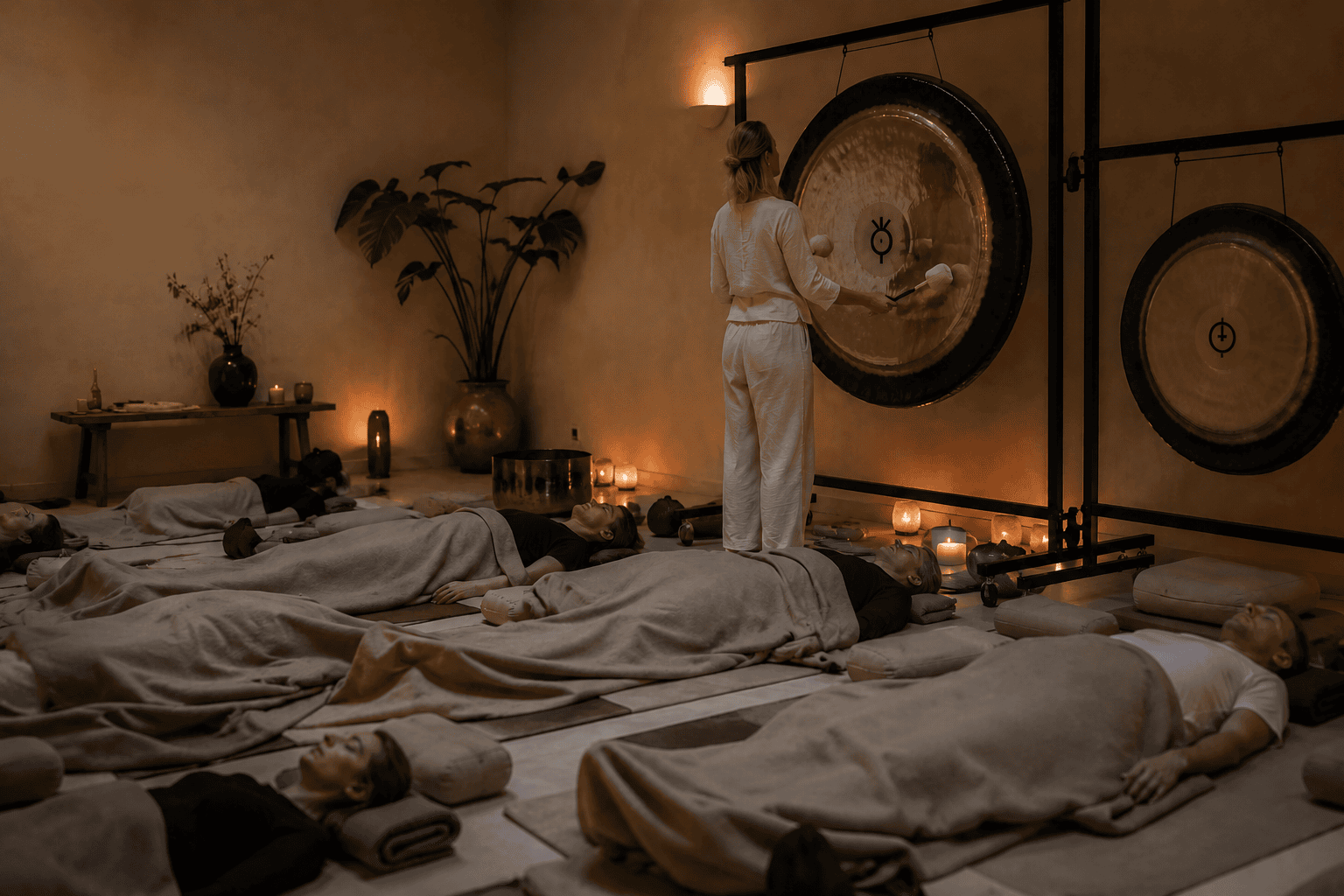
A typical sound bath session begins by getting comfortable on a mat. Depending on the studio, cushions and a blanket may be provided so you can remain warm and relaxed.

There may be a short introduction, breathing exercise or guided meditation before the instruments begin.

From there, every session is different. A practitioner works intuitively with the instruments and the room, gradually building different layers of sound. The tones of crystal bowls may be followed by the deeper resonance of a gong, periods of stillness and softer sounds towards the end.

As sound gently washes through the space, some participants drift towards sleep while others remain completely awake. You might notice your breathing change, physical tension becoming less apparent or thoughts gradually becoming quieter.

The session usually ends with a period of silence, allowing time to ground before returning to the rest of your day.

Why can sound feel so deeply relaxing?

Sound gives the mind something immediate to pay attention to. Rather than trying to stop thinking, you listen. The changing frequency, vibration and resonant qualities of the instruments continually bring attention back to the present moment.

This can create conditions for deep relaxation. Slower breathing and physical rest can also support the body’s natural shift towards a more relaxed state. For some people, a sound bath can therefore be a useful practice to unwind and calm the nervous system.

The experience is highly individual. One person may leave feeling peaceful and grounded; another may experience clarity, emotional release or simply feel deeply relaxed.

Are sound baths effective for healing or relaxation?

The words ‘sound healing’ covers a broad range of practices. A sound healing practice can support relaxation, meditation and emotional well-being, but it should not be presented as a treatment or cure for disease.

Research into music, sound-based practices and relaxation suggests potential effects on stress and mood. An hour of intentional rest, reduced stimulation and meditative listening can itself be profound. Sound can offer an invitation to slow down, notice the body and let go of some of the momentum of the day.

What are the benefits of sound bath healing?

People attend sound baths for different reasons. Commonly reported experiences include relaxation, stress relief, greater awareness and release of physical tension and a sense of restoration or renewal.

A session may also:

    • help reduce stress and create space to relax;

    • support a meditative state of consciousness;

    • provide a break from constant mental stimulation;

    • soothe the mind through sustained sound and repetition;

    • create a sense of harmony or calm.

These effects vary from person to person. Think of a sound bath as a wellness and restorative practice.

Can sound bath therapy help with anxiety or sleep issues?

Relaxation practices can be useful when stress, restlessness or mental overactivity make it difficult to switch off. Some people find a sound bath deeply relaxing and notice that they sleep particularly well afterwards.

A sound bath can therefore complement practices such as meditation, yoga, breathwork or yoga nidra. The interesting part is noticing your own response: how do you sleep after a session? What happens to your breathing? Does your body feel different? Does your mind remain as busy?


Is sound healing the same as energy healing or Reiki?

Not exactly. Energy healing, Reiki and Reiki healing have their own traditions and methods. Sound healing primarily works through listening and the sensory experience of acoustic vibration.

Some practitioners interpret sound through energetic systems such as the chakra system or combine it with Reiki. Others approach it primarily as meditation, relaxation or conscious listening.

At its simplest, no belief system is required to experience what an instrument sounds and feels like in a room.

Who should not participate in sound healing?

For most people, a gentle group sound experience is low risk. However, sound can sometimes be experienced as intense, particularly close to large gongs.

If you have a condition involving sound sensitivity, hearing problems, migraines triggered by sound, epilepsy or another condition that may be affected by sensory stimulation, tell the practitioner beforehand. The same applies if you are unsure whether a healing session is suitable for you.

How often should I attend sound bath sessions?

There is no ideal frequency. A beginner might attend once and simply observe the effect. Others make a group sound session part of their weekly or monthly routine, just as they might regularly practice yoga, meditation or breathwork.

Consistency can make it easier to recognise how different practices affect your nervous system and everyday well-being. The right rhythm is the one that fits your life.

What should I wear or bring to a sound bath in Amsterdam?

Wear comfortable clothing that allows you to lie down easily. Warm layers are useful because body temperature can drop during relaxation.

At Energy Benders, the intention is to create a comfortable healing space in which you can settle in and immerse yourself in the experience. Check the practical information for your chosen session to see what is provided and whether you need to bring anything.

You can come alone or share the experience with a loved one. No previous meditation or sound healing experience is necessary.

Experience a Sound Bath in Amsterdam East

There are many ways to work with sound. A crystal sound experience can feel very different from the expansive power of a gong bath. An alchemy sound session may combine multiple instruments, while other sessions focus almost entirely on crystal bowls or gong.

Energy Benders brings these practices together in Amsterdam East through sound, breath and restorative experiences designed for modern life.

Come and listen.